Posts

A Complete Guide to Forged Gate Valves for Industrial Use

Image
Forged gate valves play a vital role in modern industrial operations by offering durability, reliability, and high-pressure performance in critical applications. These valves are specifically engineered to control the flow of liquids and gases by opening or closing a gate mechanism, making them ideal for industries like oil and gas, petrochemical, power generation, and water treatment. What Are Forged Gate Valves? Forged gate valves are manufactured using a forging process, where metal is shaped under high pressure to increase its strength and durability. This results in valves with a compact grain structure and fewer defects compared to cast components. Their robust construction makes them especially suitable for high-temperature and high-pressure environments. Key Features and Benefits High Strength and Durability : Forged gate valves offer enhanced mechanical properties due to the forging process. This makes them less prone to cracks, leaks, and material failures. Leak-Proof Sealing...

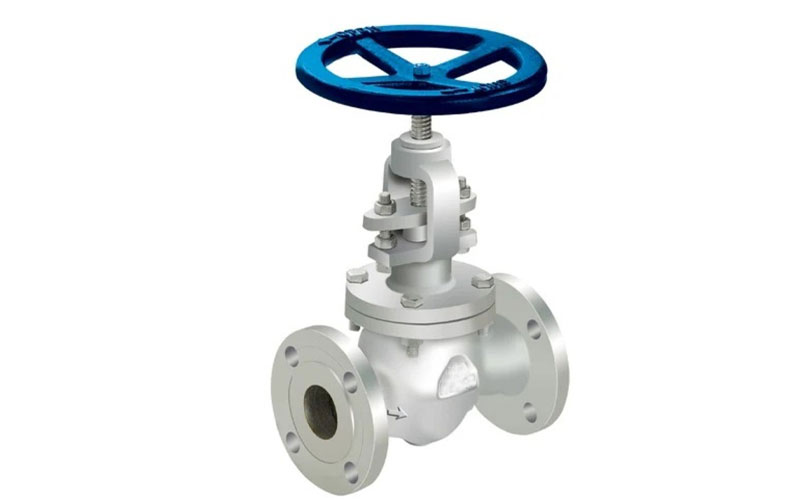
How Industrial Valve Suppliers Can Help You Meet Environmental Regulations and Standards

Image
  Industries around the world are under increasing pressure to comply with strict environmental regulations. Whether it’s minimizing emissions, reducing waste, or improving energy efficiency, companies must take responsibility for their impact on the planet. One often-overlooked contributor to these efforts is the industrial valve supplier, a critical partner in ensuring equipment meets environmental standards. For businesses operating in energy, manufacturing, water treatment, or chemical processing, working with a knowledgeable and reliable industrial valve supplier in Ahmedabad can play a vital role in both operational efficiency and environmental compliance. The Role of Valves in Environmental Compliance Valves control the flow of liquids, gases, and slurries in a system. Poorly designed or leaking valves can lead to hazardous material discharge, energy loss, and non-compliance with government regulations. Modern industrial valves are now engineered not only for performance bu...

The Role of Industrial Valves in Enhancing Operational Safety and Efficiency

Image
In every industrial process—whether it involves oil and gas, chemicals, water treatment, or manufacturing—control over fluid movement is essential. That’s where industrial valves come into play. These components may seem small compared to the scale of large facilities, but their importance in ensuring operational safety and maintaining process efficiency cannot be overstated. Among the key players in this field, Allied Valves India , a trusted valve manufacturer in Ahmedabad , has been contributing significantly to industries with reliable and high-quality valve solutions. From gate valves to globe valves, butterfly valves to ball valves, each type serves a distinct function tailored to specific operational needs. Ensuring Safety Through Control Safety is paramount in any industrial setting. Valves act as the first line of defense by regulating pressure, directing flow, and shutting off systems when needed. A properly functioning valve can prevent leaks, explosions, and system failu...

The Role of Ball Valves in Plumbing and HVAC Systems

Image
Ball valves are essential components in both plumbing and HVAC (Heating, Ventilation, and Air Conditioning) systems, offering reliable flow control and shutoff capabilities. Their simple yet effective design makes them a preferred choice for various industrial, commercial, and residential applications. In this article, we will explore the importance of ball valves, their advantages, and how they contribute to efficient system performance. What is a Ball Valve? A ball valve is a quarter-turn valve that uses a hollow, perforated, and pivoting ball to control the flow of liquids or gases. When the valve handle is turned, the ball rotates to either allow or block the flow. The two primary positions are: Open Position:  The hole in the ball aligns with the flow path, allowing fluid or gas to pass through. Closed Position:  The ball rotates 90 degrees, blocking the flow completely. Applications of Ball Valves in Plumbing and HVAC Systems 1. Plumbing Systems Ball valves are widely us...

The Role of Safety Valves in Preventing Industrial Accidents

Image
In industrial environments where high pressure, steam, gas, or fluid systems are part of daily operations, safety is non-negotiable. One of the most critical components in maintaining safe working conditions is the safety valve. These devices are specifically designed to protect equipment, pipelines, and personnel from the risks associated with overpressure and system failure. What is a Safety Valve? A safety valve is a fail-safe mechanism that automatically releases pressure from a system once it exceeds a pre-set limit. This helps avoid potential damage to equipment and reduces the risk of fire, explosion, or chemical spills. Whether used in chemical plants, oil refineries, power generation units, or manufacturing industries, safety valves are an essential part of any pressure management system. Importance of Safety Valves in Industrial Safety Safety valves act as the last line of defense against equipment failure due to excessive pressure. Their timely activation prevents catastroph...

Key Considerations When Installing a Bucket Type Strainer

Image
  Installing a bucket type strainer is a critical step in protecting pipeline systems from debris and ensuring smooth operation. Whether in industrial, commercial, or municipal applications, proper installation is essential to maximize the efficiency, durability, and reliability of the strainer. Below, we outline the key considerations to keep in mind when installing a bucket type strainer. 1. Understand the System Requirements Before installation, it’s vital to evaluate the specific requirements of your pipeline system. Consider the following factors: Type of Fluid: Understand the nature of the fluid (water, oil, gas, or chemicals) and its properties, such as viscosity, temperature, and corrosiveness. Flow Rate: Ensure the strainer can handle the desired flow rate without causing excessive pressure loss. Operating Pressure and Temperature: Verify that the strainer’s pressure and temperature ratings match the system’s operating conditions. These parameters will help you choose...

Understanding Gate Valves: Types, Uses, and Benefits

Image
  Gate valves are an essential component in many industrial and commercial applications. Known for their reliability and efficiency, these valves are used to control the flow of liquids, gases, and other materials through pipelines. In this article, we’ll explore the different types of gate valves, their uses, and the benefits they offer. We will also highlight how to find the right gate valve manufacturer in Ahmedabad to meet your requirements. What Are Gate Valves? Gate valves are linear motion valves that use a gate-like disc to start or stop the flow of a medium. Unlike other types of valves, gate valves are designed for on/off service and should not be used for flow regulation. They are most effective in applications where a full, unobstructed flow or tight shut-off is needed. The operation of a gate valve involves raising or lowering the gate using a threaded stem. When fully open, the gate is completely retracted, allowing an uninterrupted flow of material. This feature mak...